
Hail & Storm Damage in Rowlett, TX
Wind off Lake Ray Hubbard reaches the shore unbroken, and unbroken wind leans on a roof. Write down what the storm left and our roofers price the repair from that.
Open-water wind on a Rowlett roof
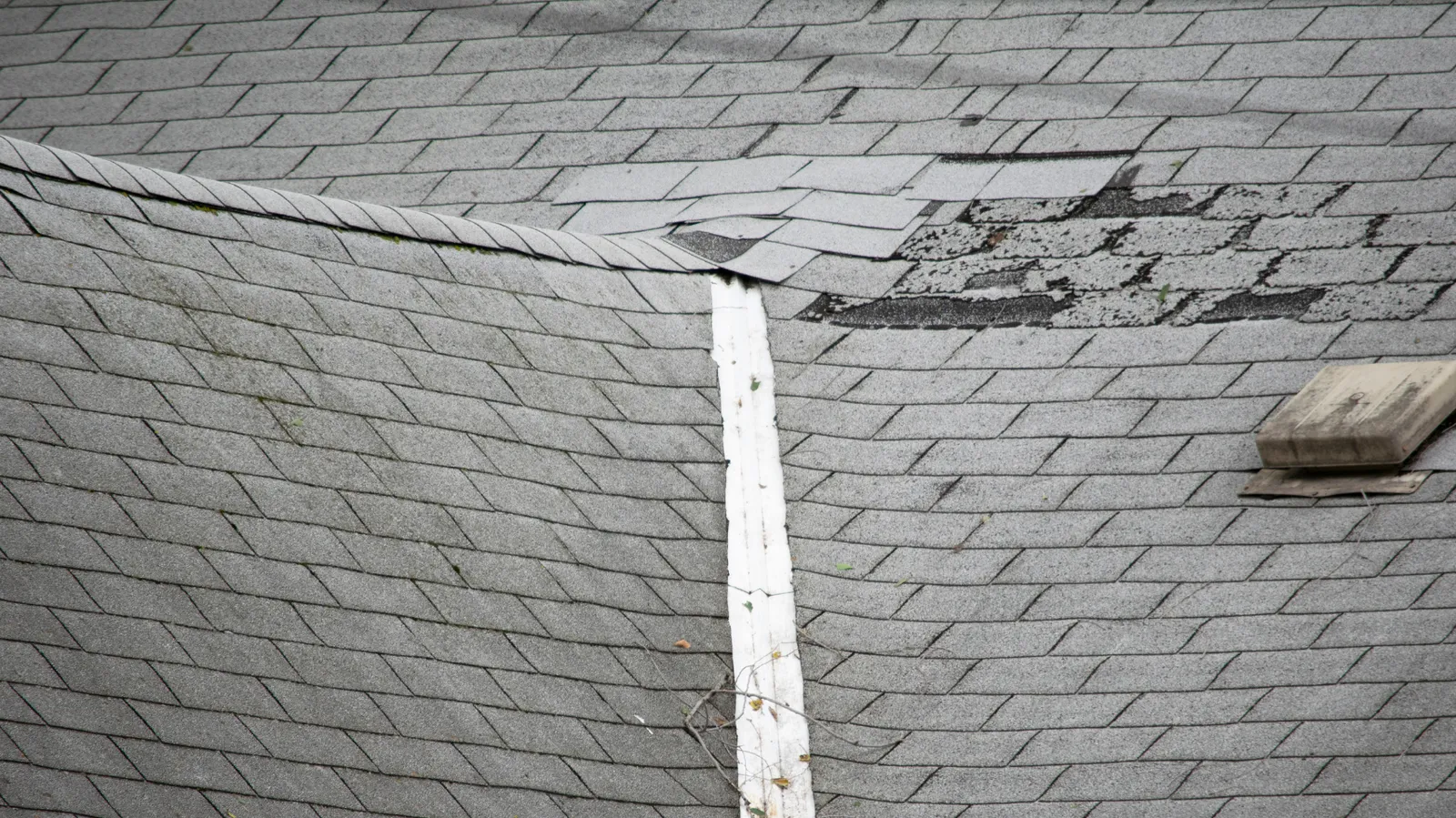
The wind quits and you go out to look. You're not hunting a hole; what a long lake wind does is work the same shingles loose a little at a time, and the damage it leaves behind is a crease, the fold line a shingle keeps for good once it's been bent back on itself.
Widen out from your own roof and the county record fills in the rest. In December of 2015 a tornado came through Sunnyvale, Garland and Rowlett rated EF4, with the National Weather Service survey putting the EF4 damage in Garland and EF3 damage here, and it took ten lives along its path. It still stands as the deadliest December tornado on the Dallas County record. Our roofers are on the homeowner's side of this, and they work these streets every spring, so they know which slopes catch the wind here and which springs left something behind. They put the finding in front of you first, creased shingle by creased shingle.
Dallas County storm record, on the books.
Dallas County's own hail and wind record runs below, newest year at the top and working back from there. Every row came out of the county's reports, not out of anybody's memory of the spring.
Source: NOAA / NCEI Storm Events Database · Dallas County 2023–2026 · updated August 2026. Year rows count hail days at 1" or larger; the county figure above counts every hail day on record, at any size. Dated rows are the largest event of each recent year, then the largest remaining on record. Every count above is county-wide, and Rowlett sits in two of them, Dallas on the west side and Rockwall on the east. A row here means the county logged that hail or that wind somewhere within its lines on that date, at whatever address happened to be under it. The newest season always reads light, because reports take time to reach the database.
What hail leaves behind on a Rowlett roof
A crease stays put, which is why our roofers count creases first. The rest of what a storm leaves is small and high up, and it keeps for a while before ordinary weather blends it back in.
- Creases across the tabs: they run in a line across a slope instead of scattering, so a whole run of shingles fails together.
- Tabs gone from one course: once enough of the seal lets go the shingle tears off, and what's under it was never built to face weather on its own.
- A shadow line from the yard: a run of shingles sitting proud throws a shade line that wasn't on the roof last year.
- Wet insulation before a wet ceiling: the attic soaks up a lot of water before any of it reaches a room, so a dry ceiling weeks after a storm doesn't mean the roof came through.
- Daylight at a seam: a joint you can see light through from inside the attic has been opened, and it will pass water in the next rain.
Hail is the slow half of it. It works under the granules instead of through them, so what it started shows up over the seasons after, well past the afternoon it landed, and there's more on that on the hail damage page. If any of it turns into a claim, the claim side runs on its own calendar and stays yours to run.
Storm damage questions from Rowlett homeowners
The questions that come up most in the week after a storm.
Q1Water is coming in. Should I get up there and tarp it?
Q2What should I have ready before somebody comes out?
Q3How do you tell storm damage from a roof that's just getting old?
Q4The storm was back in the spring. Is it too late to have it looked at?
Q5Does storm damage mean the whole roof?
Have your Rowlett roof checked after the storm
Tell us which slope you're worried about, or just tell us there was a storm and let our roofers find it. The estimate comes back itemized and costs you nothing, so you can see what each line is for before any of it turns into work.