Roof and Attic Ventilation in Rowlett, TX
Plenty of vents, and the attic still can't breathe. The air has to get in at the eaves first.
The attic's part in how long a roof lasts
Ventilation usually comes up during a roof quote. Somebody mentions the attic, and a line for it lands on an estimate you were already reading closely. It isn't an add-on. How air moves under a roof is part of how long that roof lasts.
Two more summers and the shingles show it, curling from the deck side while the surface still looks fine from the street. Rowlett Roofworks gives an older roof and a newer one the same attention. What each one needs up there is usually different.
What roof ventilation work in Rowlett involves
Ventilation is one of the few roof items where the hardware is the last decision, not the first. Our roofers measure the attic and both sets of openings before anybody names a vent, because the numbers decide which end of the roof the work belongs on.
- 01Attic floor measured
- How much opening a roof needs isn't figured off the roof at all. It's figured off the square footage of the attic underneath, and every decision after that leans on the number.
- 02Soffits opened and checked
- Our roofers pull a panel and look behind the louvers for paint, blown insulation, or solid wood. A soffit can carry vents end to end and still open onto nothing.
- 03A single exhaust path
- Ridge vent if the roofline is long enough to carry one, box vents or a turbine if it isn't, and only ever one kind on an attic. Mix them and the strongest one draws from its neighbor instead of from the eaves.
- 04Old hardware replaced
- An open gable end or a fan left over from a previous roof competes with new exhaust for the same air. Deciding what closes and what stays is part of this job, not a line beside it.
- 05Timed with the tear-off
- Correcting both ends is cheapest while the shingles are already off and the deck is open. On its own it's a smaller, slower piece of work.
Most of this rides along with a roof replacement, when the deck is open anyway. What the shingles above it are built to take is covered on the asphalt roofing page.
The order the ventilation work happens in
Our roofers measure before they price, and they measure both ends of the attic. Whichever one comes up short, that's what the work aims at.
Count both ends
Our roofers measure the attic floor, then add up what the soffits and the roof vents let through. The two figures rarely match, and the smaller one caps the whole system.
Open the intake
Our roofers clear the blocked soffits and set rigid baffles at the eaves so insulation can't drift back over the openings. On a lot of attics around here, that's the whole fix.
Match the exhaust
One type goes in up high, sized against the intake below it, and anything competing with it comes out. The itemized figure reaches you before any of that starts.
Signs a Rowlett attic is running too hot
None of this reads as a roof problem at first. It reads as an air conditioning problem, an insulation problem, or a house that just runs warm on the top floor.
- Upstairs that never catches up: the downstairs is comfortable by nine and the top floor is still working on it.
- Louvers with nothing behind them: shine a light up into a soffit vent and see if anything opens into the attic.
- One slope aging early: the plane taking the most sun is where heat from the deck side shows itself first.
- Nail points dripping in winter: moisture rising out of the house freezes on the shanks and lets go on the first warm day.
- Insulation packed down and dark: batts that have taken on moisture lose their thickness, and flat insulation is doing very little.
- A turbine that barely turns: with nothing coming in at the eaves, there's almost no air up there for it to move.
Ventilation is usually one line on a longer list, so it tends to surface during a roof inspection instead of on a visit of its own.
What Texas summers do to an unvented attic
August in North Texas is the load that decides this. The sun works on a roof deck all afternoon, and an attic with nowhere to put that heat holds it well past dark, then starts over the next morning.
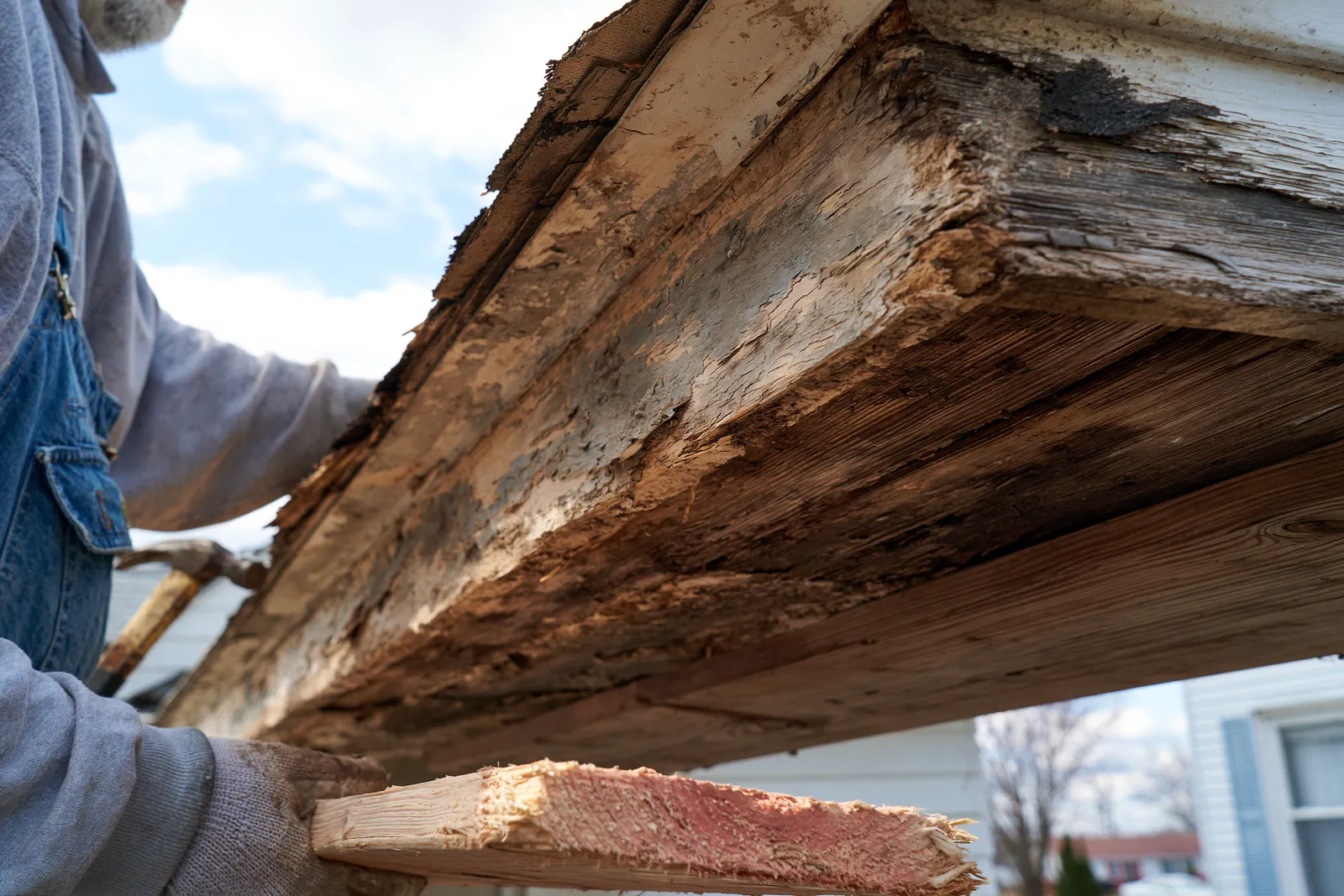
Shingles are rated for the weather on top of them. What ages them early here is the heat pressed against their back side, day after day, in a season that runs long.
- 01Heat from the deck side
- The surface can still look sound while the mat underneath it has already given up. That kind of wear doesn't leave anything a person can see from the driveway.
- 02The winter half
- The same stalled attic traps moisture rising out of the house in January. Wet decking and rusting fasteners go on quietly under shingles that look fine.
- 03Why it surfaces late
- Nothing about this fails on a day you'd notice. It takes years off a roof steadily, so somebody usually names it while they're up there for another reason.
Which shingle you put back over that deck matters too, and the asphalt shingle guide walks through what those choices change.
Ventilation questions from Rowlett homeowners
These four come up on nearly every estimate that mentions the attic.
Q1What makes ventilation balanced?
Q2Can I just add another vent up top?
Q3Does ventilation have anything to do with my shingle warranty?
Q4Is this worth doing if the roof isn't due yet?
Have your Rowlett attic airflow checked
If the top floor runs hot, or an estimate put a ventilation line in front of you, that's enough to start with. Our roofers count both ends of the attic, and what that leaves you with is an itemized figure before anything comes apart.