New Construction Roofing in Rowlett, TX
On new construction or an addition, the roof goes on once, while everything under it is open. Every line is itemized up front.
You settle the roof before the framing closes in
On a new build, the roof is the one trade that has to finish before the rest of the house can keep going. Framing, wiring, insulation and drywall all wait on dry-in, so your roof sits in the middle of the schedule whether you put it there or not.
That makes it easy to treat as a date to hit. It's really a short list of decisions, and all of them happen before anyone is on site: how the deck is fastened, where the metal goes at every joint, and what the field material is rated for. Ask Rowlett Roofworks for a look at the roof pages, and our roofers work the numbers off the plan set and off the deck itself instead of a satellite picture and a square-footage estimate.
What new construction roofing in Rowlett covers
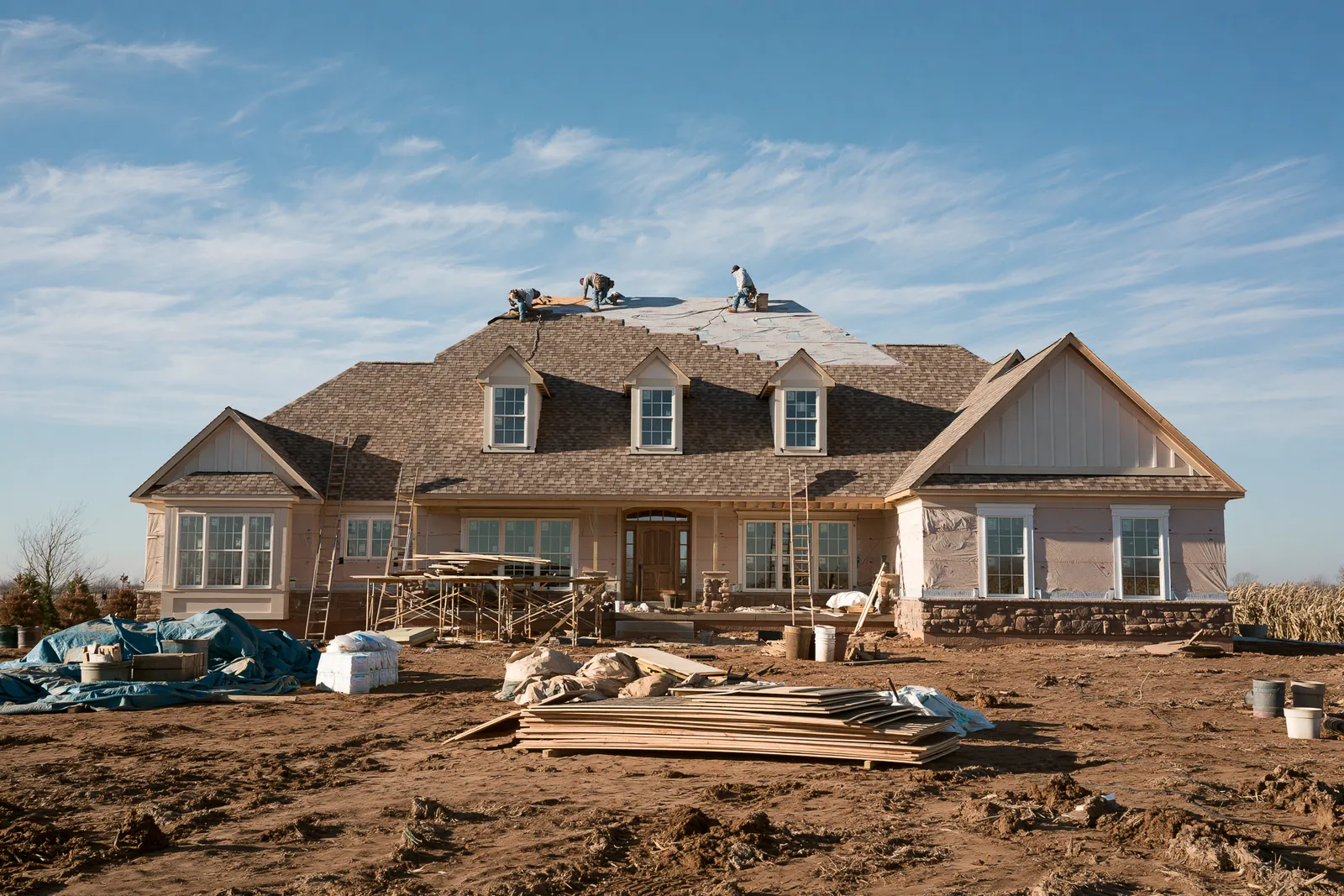
On a build, the roof work starts at the sheathing and ends at the ridge cap, and the order it happens in is fixed by what has to be watertight before the next trade can work. Most of it is buried within a day of going down, so it is settled on the plans instead of argued about later.
- 01Deck and fastening
- Sheathing and nailing checked against the plan set before the first square goes down.
- 02Dry-in
- Underlayment and edge metal on early, so the trades behind you keep moving.
- 03Flashing at every joint
- Valleys, sidewalls and penetrations detailed as the framing goes up around them.
- 04Field material to spec
- Shingle, metal or impact-rated, put on to the pattern its rating depends on.
- 05Ridge and soffit sized together
- Intake and exhaust matched to the attic volume the plans call for.
- 06Inspection and paperwork
- The roof staged for the city's sign-off, with the documents that go with it.
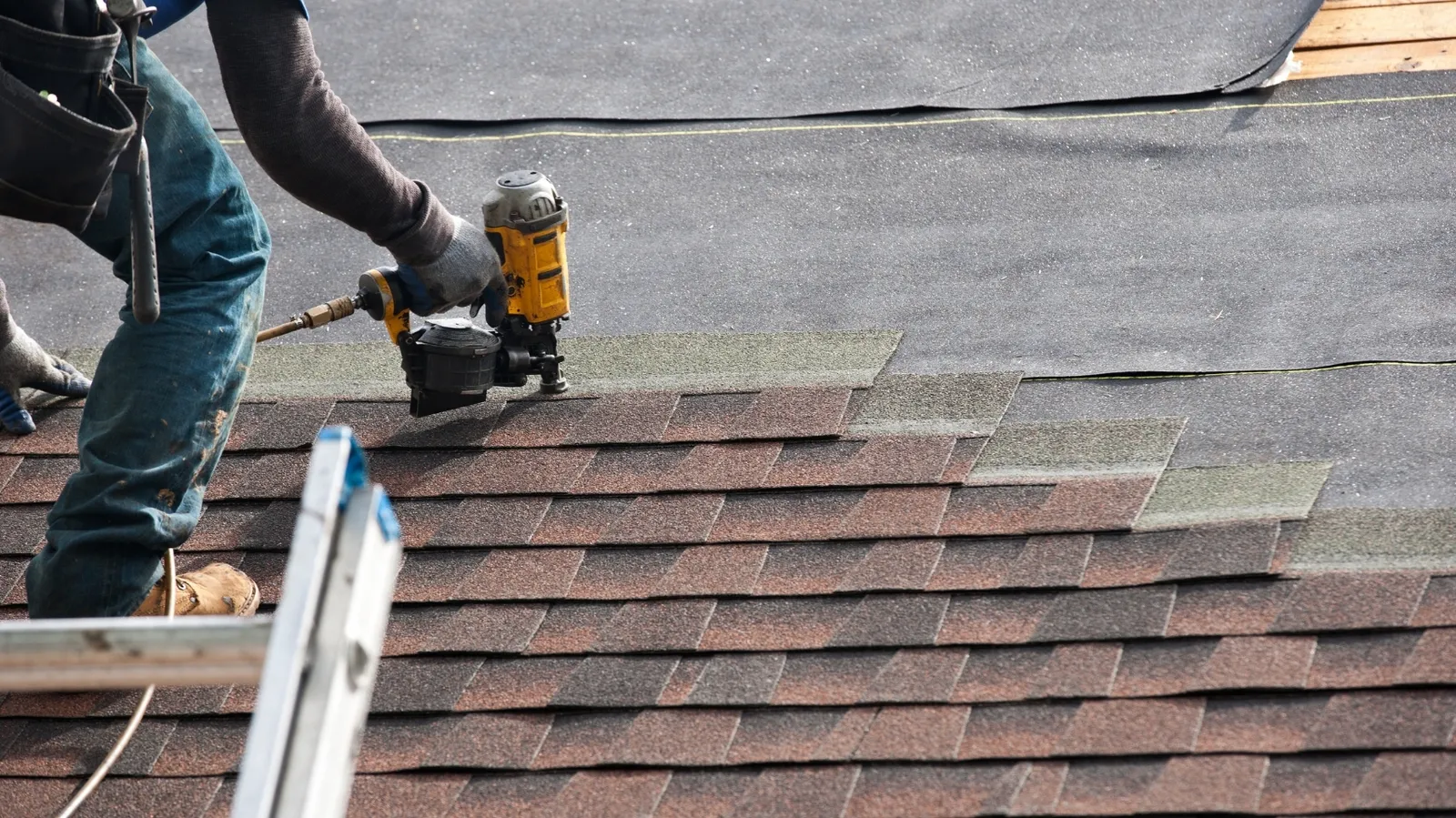
An addition carries one line the rest of this does not: the seam where the new roof ties into the old one. Matching the existing material and the flashing detail at that seam is where most addition leaks either start or don't.
How a Rowlett new build roof is specified
The specifying happens in two places: on the plan set before anything is ordered, and on the open deck before anything covers it. Both come before material shows up on site.
Off the plans
Our roofers work through the roof pages first: pitch, deck fastening, flashing details, venting, and what the field material is rated for. Whatever the plan set leaves open is easier to settle now than after the framing is up.
On the deck
Before underlayment covers anything, our roofers walk the sheathing and photograph what is under the roof they are about to build. You keep those pictures whether they show a problem or not.
Then the schedule
Our roofers set dry-in against your builder's dates, so the roof is not what the other trades are standing around waiting on. The order the work happens in matters more here than how long any one piece takes.
When to bring roofing into a new build.
Timing is most of what a roofer is worth on a build. These are the points where an answer still changes something instead of describing it.
- Plan stage: fastening pattern, venting and material are all still free to change.
- Before underlayment: the sheathing is visible exactly once, and it disappears the day the felt goes on.
- On an addition: the tie-in to the existing roof is a detail, and details get framed in.
- When dates slip: a roof can start from the plans as they stand, without waiting for the original schedule to clear.
- Odd rooflines: dormers, valleys and low-slope tie-ins want a decision before the framing goes up.
- Before the city inspection: the roof and the paperwork both have to be ready for it.
Any of these is early enough to matter. The last one usually settled is attic ventilation, and a new build is the easiest place there is to get it right.
What is a new Rowlett roof built to handle?
A new roof here is specified against the weather every roof around it has already taken: spring hail, straight-line wind behind the storms, and a long summer of heat pressing down on it.
None of that is unusual for North Texas or a reason to over-build. It is why the ratings on the plan set are worth reading early.
- 01Wind rating is fastening
- A shingle's wind number holds only with the nails the maker calls for, in the places it calls for. That is a plan-set decision, expensive to revisit once the field is on.
Whatever the plans call for, the roof still has to be built the way its rating assumes, and that only shows while the deck is open. A walk before the material covers it is the only look anyone gets at your roof from the inside out, which is what an inspection does for a house that already has one.
New construction questions from Rowlett builders
What builders ask before the roof goes on, and what homeowners adding on ask alongside them.
Q1There's already a roofer in our rotation. What would we use yours for?
Q2What happens when we send the roof pages over?
Q3Does the roof on a new build need its own permit in Rowlett?
Q4There's a room going on off the back. Does the new roof have to match the old one?
Spec the roof on your Rowlett build
You have enough trades to keep track of without being the one relaying roof questions between them. Bring the plan set, your framing dates, or a sketch of what you're adding, and our roofers carry the roof from the deck to the city inspection on your schedule.