
Hail Damage Roof Repair in Rowlett, TX
Hail rarely leaves a hole. It bruises what's underneath, and our roofers price the repair line by line.
Why a Rowlett roof hides what hail did
Hail can come across your street, dent the gutters, and leave the shingles looking the way they looked the week before, so what are you asking for when you bring Rowlett Roofworks into it? Our roofers up on the slopes, close enough to feel the damage the stones left.
A roof that took quarter-size hail in May can shed water all summer and still stain a back bedroom ceiling the next spring. None of that shows in a photo from the curb or in a satellite view, so the number on your estimate comes off a roof one of our roofers has stood on. Whichever way yours turns out, they're working for you, and a look at the roof is where that starts.
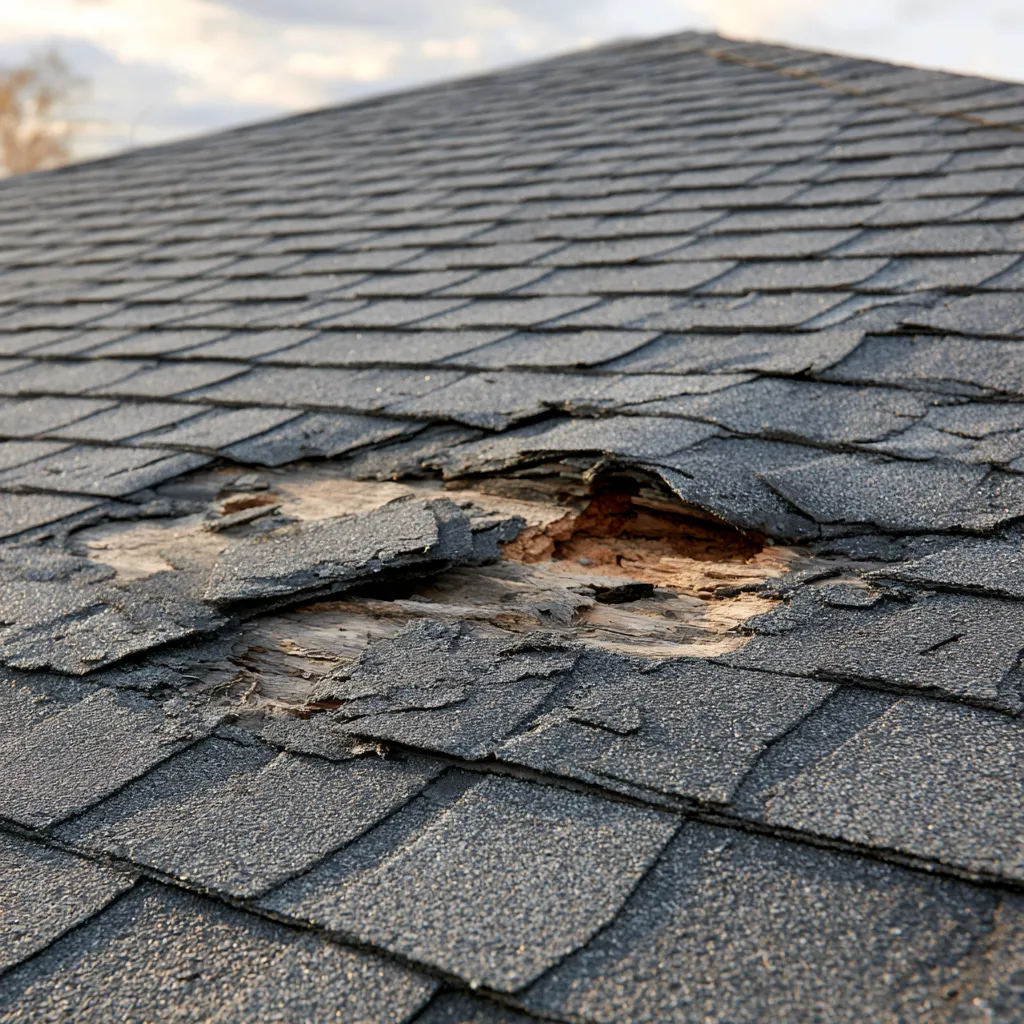
What hail damage work on a Rowlett roof involves
Hail work is sized to what the stones reached, so it covers the faces of the roof that took the hit and stops where the damage does. A roof marked end to end is a replacement question instead, with its own number behind it.
- 01The bruised courses
- Shingles with a fractured mat come off and new ones go on in their place. A fresh shingle sits brighter than one with years of Texas sun on it, and you'll hear which faces will show it beforehand.
- 02Vents, valleys, flashing
- Soft metal takes hail before the field does, so dinged vent hoods, valley metal and step flashing are replaced where the stones landed. Those small pieces are usually where a hailed roof starts letting water in months later.
- 03The deck underneath
- Where a stone drove through, our roofers look at the sheathing before anything new goes down. Soft decking under a fresh shingle is a repair you pay for twice.
- 04The record of it
- The faces of the roof come back as photographs with the marks in them, and the counts sit beside them. You keep that file whether a claim follows or not.
- 05Where the work stops
- Faces the hail missed stay as they are. The estimate names them as untouched, so you can see where the work ends.
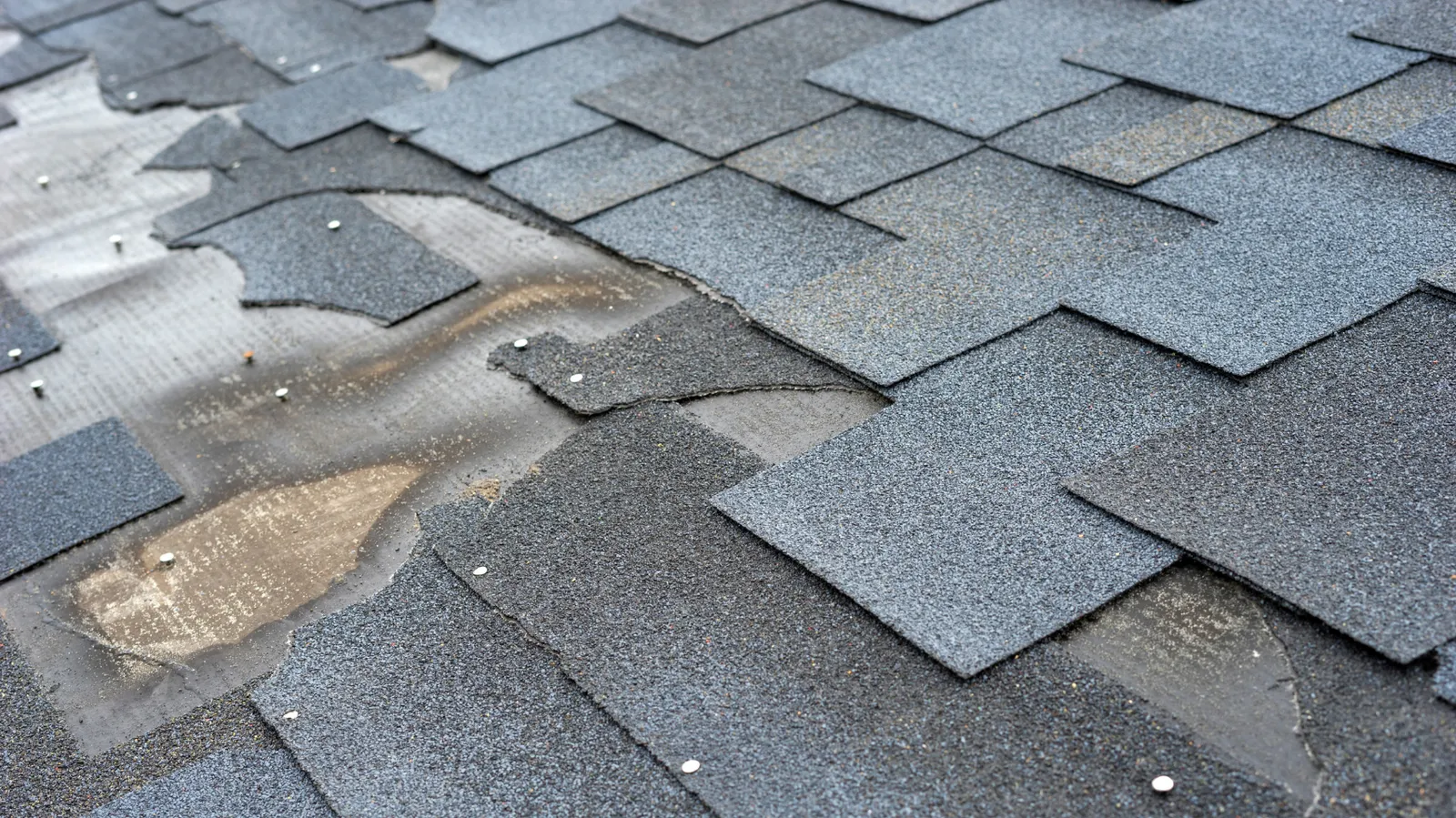
Hail work and a claim run on separate tracks. The roof is measured on what it needs, and what you do with the paperwork afterward is yours to decide.
How a hail check runs on a Rowlett roof
Hail work runs in one order here, because what the roof shows has to be settled before anyone can price putting it right.
Our roofers go up
They cover one face at a time, and where a stone hit, a thumb tells them more than the eye does. A fractured mat has give in it that sound shingle doesn't.
They count the hits
They mark a square on each slope and count the strikes inside it, so what the roof took comes out as a figure rather than one roofer's impression.
Then you hear it
They take you through what they found, in the order it matters, and the estimate follows in your hands. Nothing goes on a calendar until you've read it.
Hail damage you cannot see from the driveway
A shingle is a bed of granules over a mat of fiberglass and asphalt, and hail doesn't cut it so much as squash it. The stone drives the granules down and fractures the mat beneath them, and that fracture is what costs you: bare mat cooks in the sun, the crack works through, and water finds it a season or two later.
- Grit at the downspouts: A drift of coarse black sand where the water lets out, and that's your shingle surface arriving in the yard.
- Dents in the soft metal: Gutter faces, vent hoods and the fins on the A/C unit record the size of what fell far better than shingles do.
- A bruise with no mark: The surface can look whole while the mat beneath it gives under a thumb the way sound shingle never does.
- Splits from a single point: Bigger stones break a shingle through, sometimes leaving short cracks running out from where it landed.
- Pocked screens and paint: Torn window screens, dimpled siding and fresh light marks on a deck rail or a mailbox put a date on the strike.
You don't have to work out which of these matters, or whether it adds up to anything at all. That's what the look is for, and the dated storm record for this part of the county is there if you want the dates first.
How hail behaves across the Rowlett area
Rowlett's hail numbers come off the Dallas County record, and Rowlett is a two-county city: most of it in Dallas, its eastern edge in Rockwall. Over the last four years most of that hail came down at an inch or bigger, the size the weather service calls severe and about where shingles start shedding surface.
- 01The faces that take it
- Stones arrive at an angle, so one or two faces take the brunt while the rest come out near untouched.
- 02March through June
- That's when the county record fills up, and when the calls start.
- 03Older shingles bruise sooner
- Fifteen or twenty Texas summers leave a shingle more brittle than a new one, so the same stone does more. Age doesn't make damage certain; it changes what a hit takes out.
None of that settles your roof either way. What's on yours takes one of our roofers up there to read.
Hail damage questions from Rowlett homeowners
What homeowners here ask once the hail has moved on.
Q1Somebody knocked on my door after the storm. Should I let them look at my roof?
Q2How soon after a hail storm should I have the roof looked at?
Q3Do I have to file a claim to get the roof looked at?
Q4My neighbor is getting a new roof. Does that mean mine is damaged too?
Have your Rowlett roof checked for hail
A hail check covers the whole roof, every face of it, and you keep what comes back. A hailed roof usually isn't leaking yet, so there's no ceiling stain to wait for before our roofers get up there.