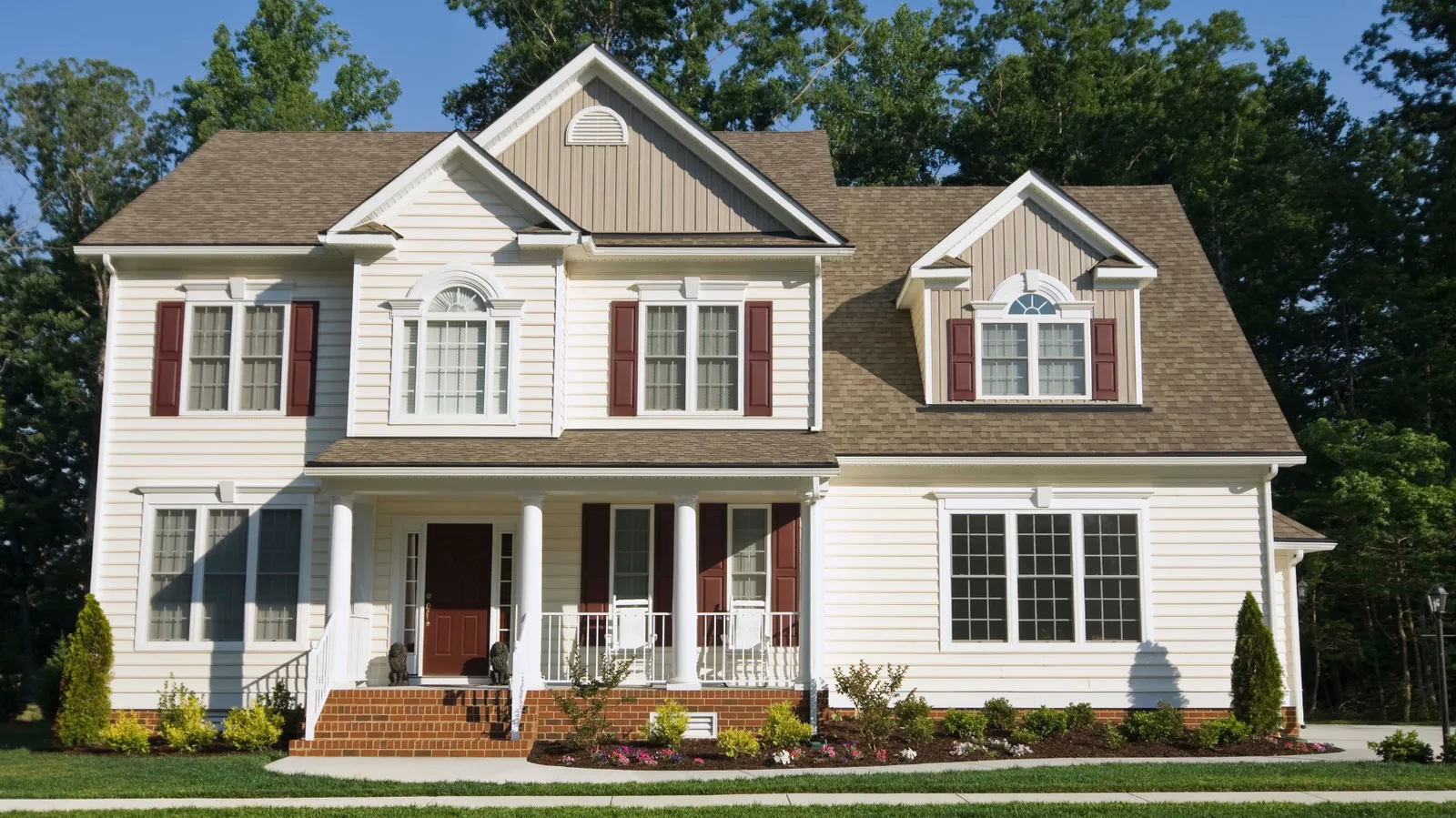
Asphalt Shingle Roofing in Rowlett, TX
Heat works on an asphalt shingle roof from overhead and hail comes at it sideways. Describe yours once; you won't be repeating it.
The layer that decides how long yours lasts
Hail comes through in spring and the sun works the same roof all summer, and what most people want to know by August is how much of theirs is left. Nearly every house in Rowlett is wearing asphalt, so it's the same question up and down the street.
How long yours has left depends less on the shingle than on the plywood underneath it. That deck is what every nail goes into, and nobody sees it until the old roof comes off, so one soft sheet will pull a new roof down early whatever got laid on top.
That's why the figure you end up with comes off a roof somebody stood on, not off a driveway and not off a satellite image. You'll hear what shape the deck is in before anyone talks about replacing it. The walk leaves you with the layer count, the nailing surface and the years each option buys.
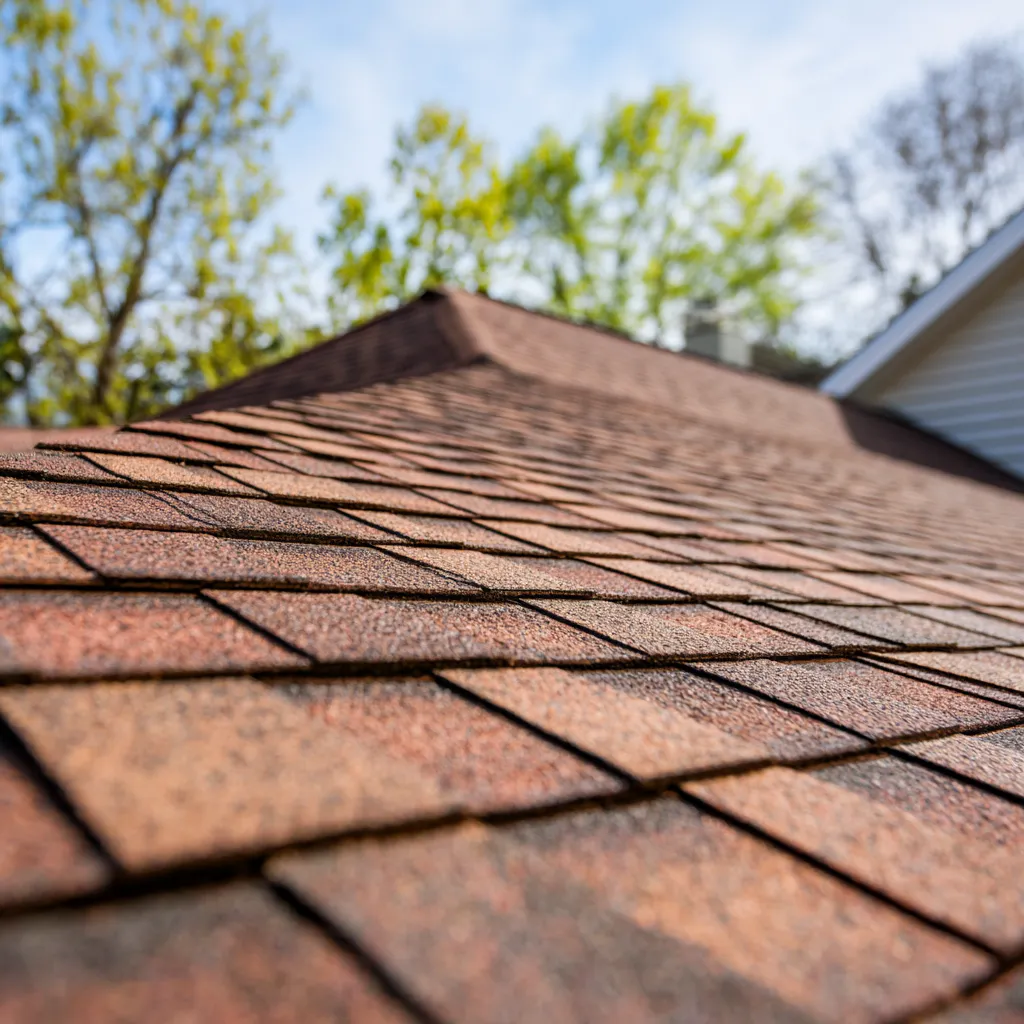
What an asphalt shingle roof in Rowlett involves
A shingle roof is a stack, and the shingles are only its top. What sits under them, the deck, the underlayment, the sealed valleys and the metal at every wall, is what decides whether the roof ever reaches the age it was rated for.
- 01The deck underneath
- Plywood or OSB over the rafters, and every nail in the roof goes into it. It only comes into view during a tear-off, which is the one chance anybody gets to pull what has gone soft.
- 02Underlayment across the deck
- A rolled sheet, felt or synthetic, laid over the whole deck between the wood and the shingles. It's what keeps a wind-driven rain out of the house the day a shingle lets go.
- 03Sealed valleys and penetrations
- A self-adhering membrane goes where the water concentrates and around anything that pokes up through the roof. It seals itself around the nails driven through it, and that's the whole reason it belongs there instead of everywhere.
- 04Metal at the walls
- Step flashing woven in course by course where a slope meets a wall, plus new valley metal and new boots at the pipes. Reusing the old metal to save a line on the estimate is the shortcut that shows up later as a leak.
- 05Edges and starter course
- Drip edge along the eaves and rakes, and a bonded starter strip under the first visible row. That's the most wind-exposed foot of the roof and the most commonly skipped.
- 06Intake and exhaust
- Vents low in the soffits and an exhaust up at the ridge, sized so air comes in at least as fast as it goes out. An attic that can't move air cooks the shingles from the underside.
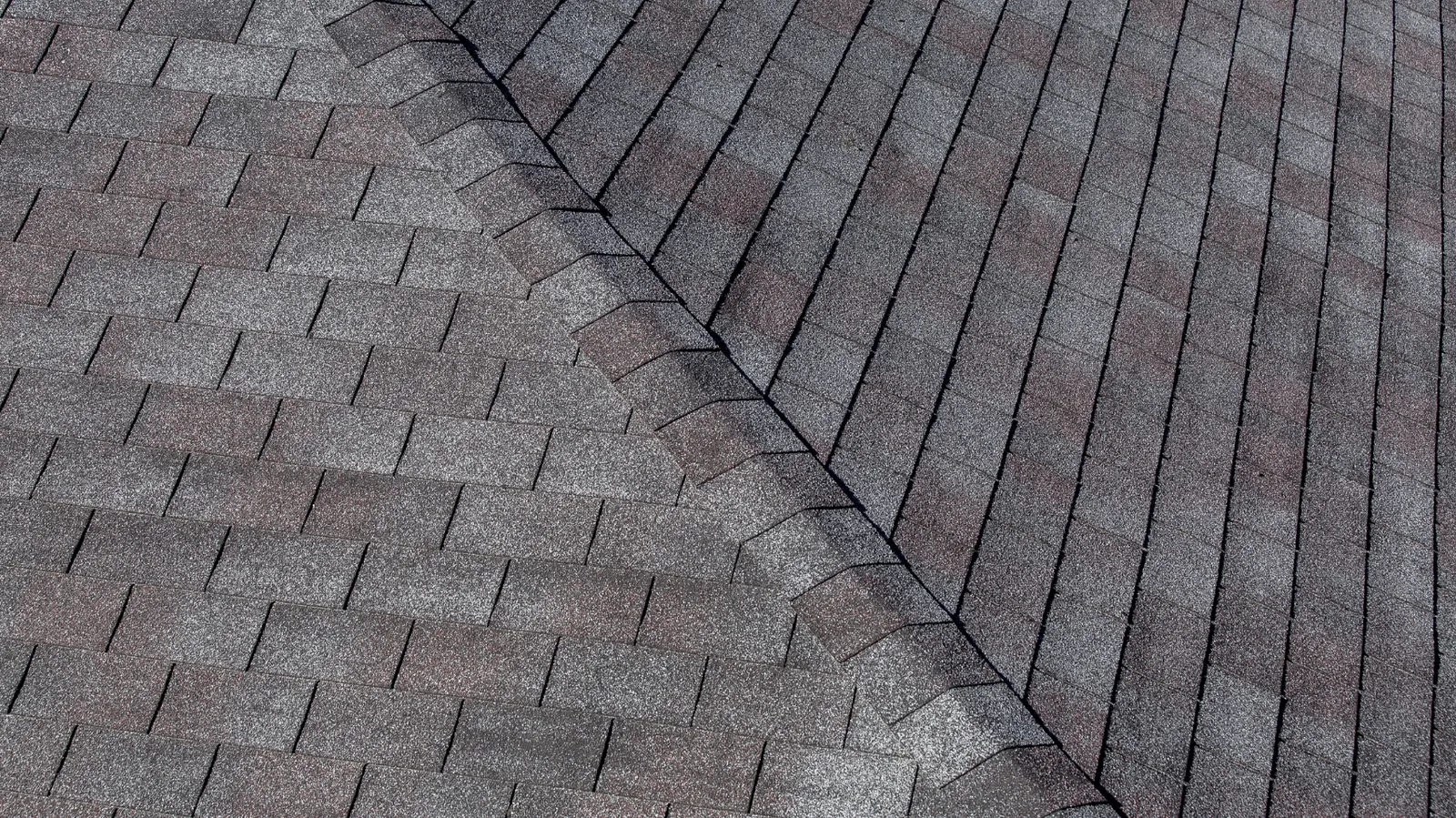
Which shingle goes back on top is a separate decision, and the shingle grades page covers that half of it. Everything listed above goes on the same way whichever one you pick.
A tear-off shows what the last roof was hiding
Everything comes off before anything goes on, and in between, our roofers walk the bare deck.
Everything comes off
Old shingles, old underlayment and old flashing come off down to bare wood, working down from the ridge. What that exposes is the part of the roof no estimate can be certain about until it's open.
The deck, uncovered
Our roofers walk the open deck, pull the sheets that have gone soft and re-fasten what's loose. They photograph what's under there before the new underlayment covers it, so what you're paying to replace is something you've seen for yourself.
Built back in order
Drip edge, membrane in the valleys, underlayment, starter, then shingles from the eave up with new metal woven in at every wall and pipe. The open slopes go fast; the valleys, the wall joints and the penetrations are the parts that take the time.
How Rowlett sun and hail age asphalt
Asphalt here takes its wear from two directions. The sun's on it every day of the year and hail arrives on its own schedule, and the two leave their marks on different parts of the same roof.
- South and west slopes first: those planes take the most sun and finish years ahead of the shaded side of the same roof.
- Hail finds the metal first: vents, valley metal and flashing dent while the shingle field still looks even from the yard.
- Heat from the attic side: a soffit that can't draw air bakes the deck, and the shingles above it age from both faces at once.
- Brittle at the nail line: sun-hardened mat cracks where the fasteners are, and anything nailed high or overdriven lets go there first.
- A second layer over the first: shingles laid over an old roof hold heat and give up sooner than the same product on bare wood.
None of that reads from the yard. On a roof inspection our roofers walk it one plane at a time, because the sun side and the shaded side of one roof are rarely in the same condition.
What comes off first, and how cut-up the roof is
What an asphalt roof costs on your house is set mostly by what sits under the old one and how complicated the roof is to work on. One layer over a sound deck is the simple version of this job.
Two layers to haul off, soft sheets to replace, or a roof cut up with valleys, dormers and pipe penetrations is the other one, and what separates them is how much work each one takes.
What a full roof number is made of- How many layers have to come off
- Sheets of decking that turn out to be soft
- Valleys, dormers and pipe penetrations to flash
- Pitch steep enough to slow the footing down
- Whether the ventilation is corrected while it's open
- Where a dumpster can sit on a tight lot
The roof most Rowlett streets are wearing
Drive any street in town and you're looking at one roof repeated: asphalt shingle over plywood, house after house. Rowlett went up when that was simply what a builder put on, and nothing since has beaten it for the money on a pitched roof.
So the material is rarely what separates two neighbors. What does is how well that first roof went on, whether the attic under it can breathe, and how much afternoon sun that particular set of slopes takes.
- 01Same roof, different ages
- Two houses finished the same season can sit a decade apart in roof condition. It usually traces back to ventilation and to how carefully the first roof went on, not to the shingle.
- 02Tight lots, older streets
- The older streets in town were laid out on smaller lots, so where the dumpster sits and how the debris is kept off your grass is a real part of the plan. On a narrow drive it changes how the whole day is staged.
The trucks that turn up the week after a hailstorm are working another town by spring. Our roofers are on these streets in July too, which means a rushed valley or a high nail line comes back around to them and not to somebody two states away.
Asphalt roofing questions from Rowlett homeowners
The questions that come up once somebody says tear-off.
Q1Can new shingles just go over the old ones?
Q2What happens if the decking under my shingles turns out to be bad?
Q3Does attic ventilation really change how long a roof lasts?
Q4How long should an asphalt roof last in this heat?
Find out how much life your shingles have
Give the address and the age of the house if you know it, and one of our roofers walks the roof and comes back with what shape each layer is in and what, if anything, it needs.